
 CONFERENCE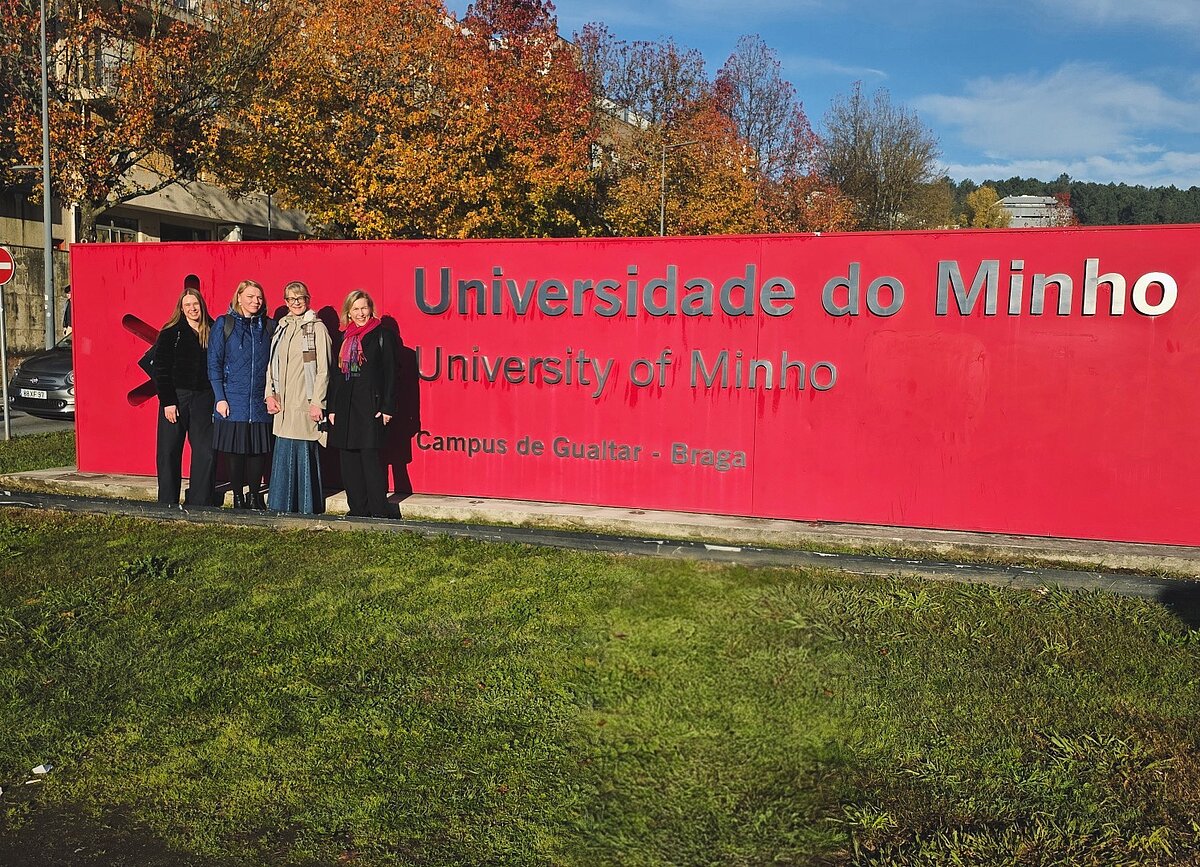
Minho University in Braga: the interaction between creativity and technology
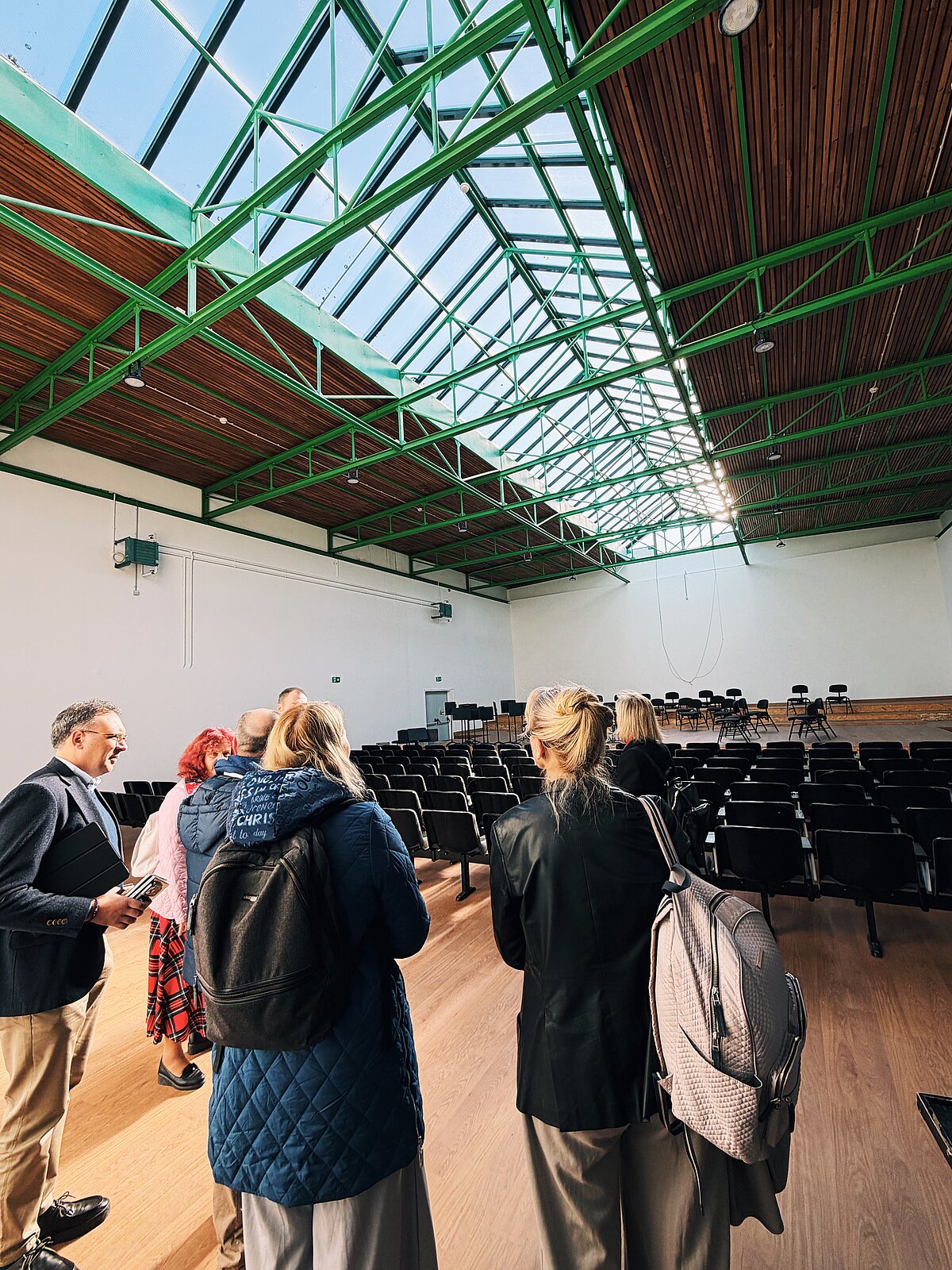
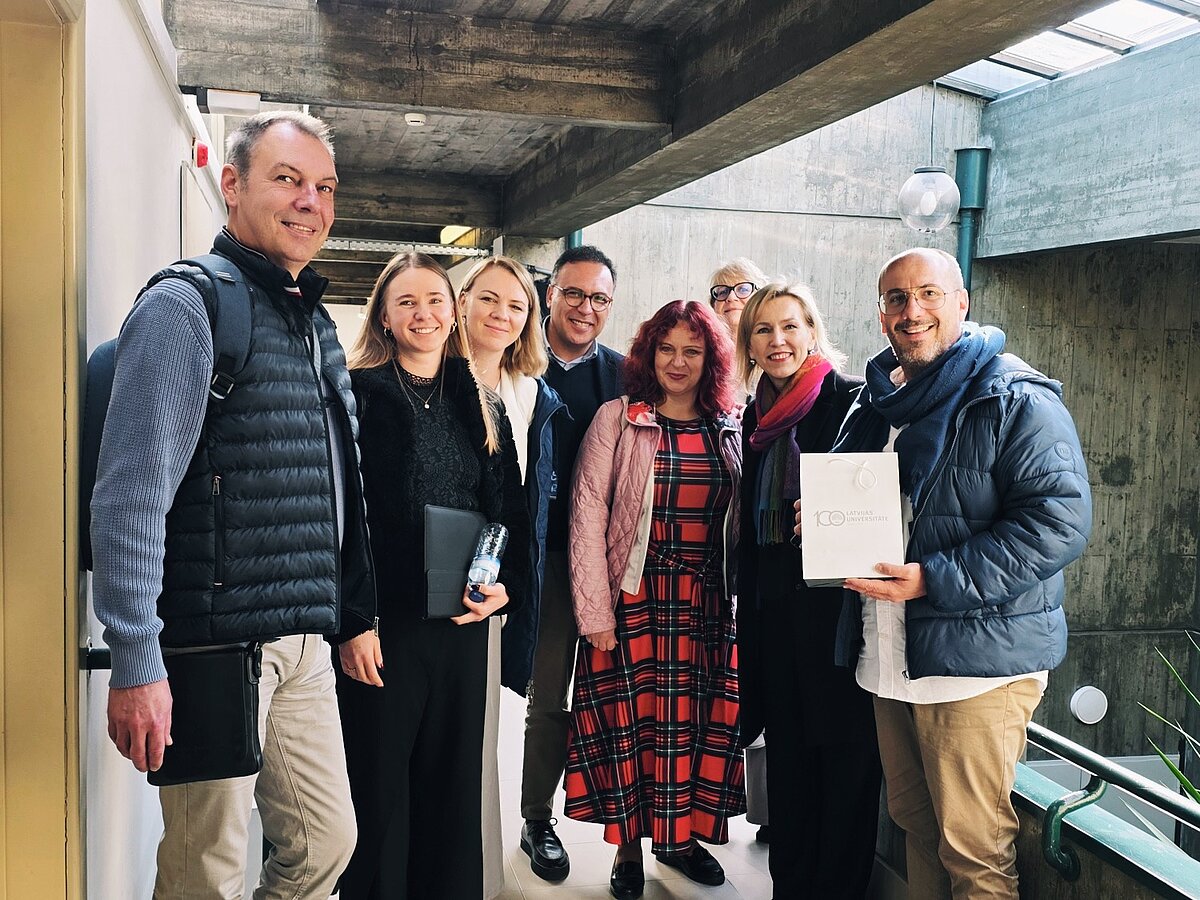
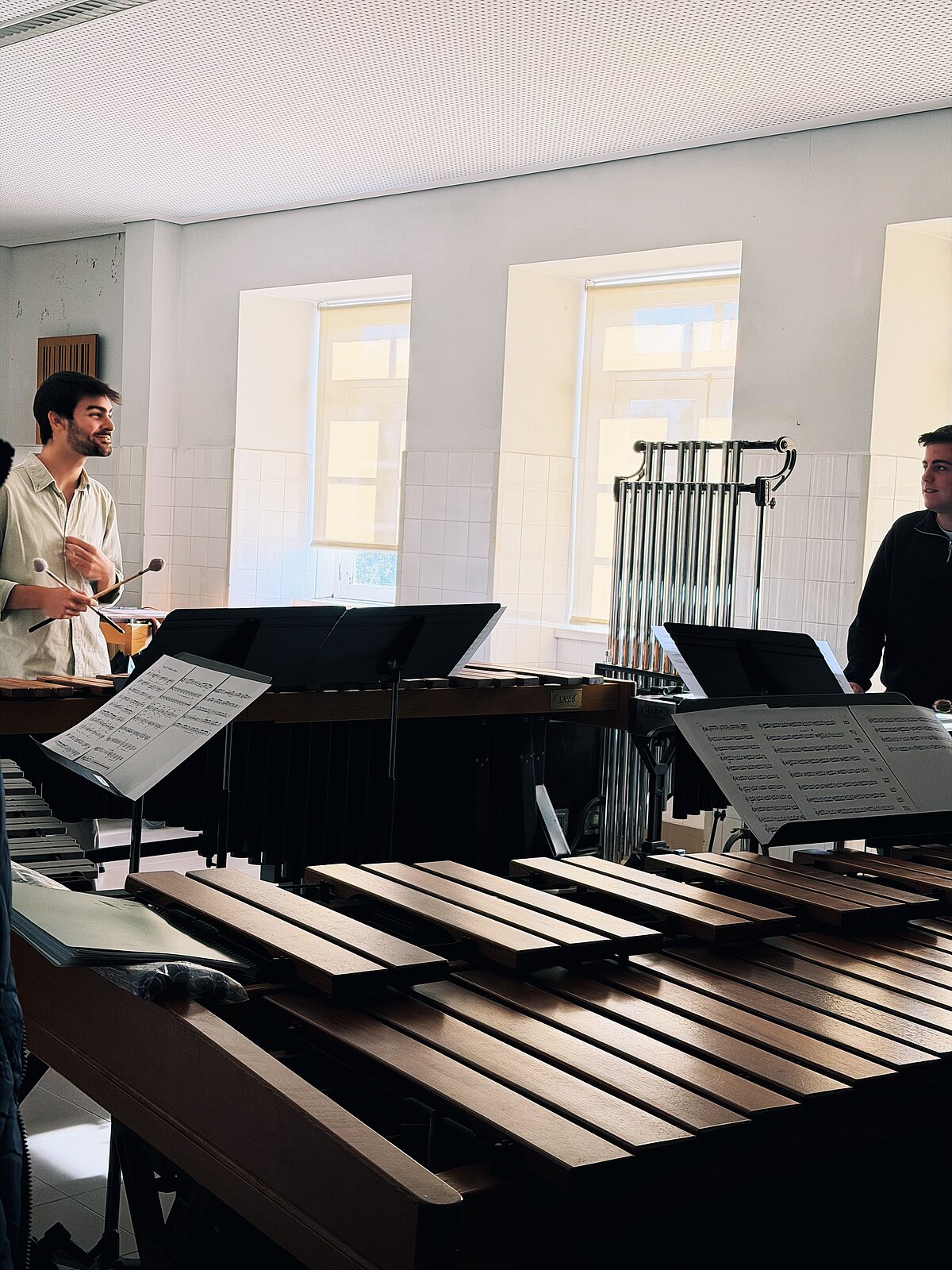
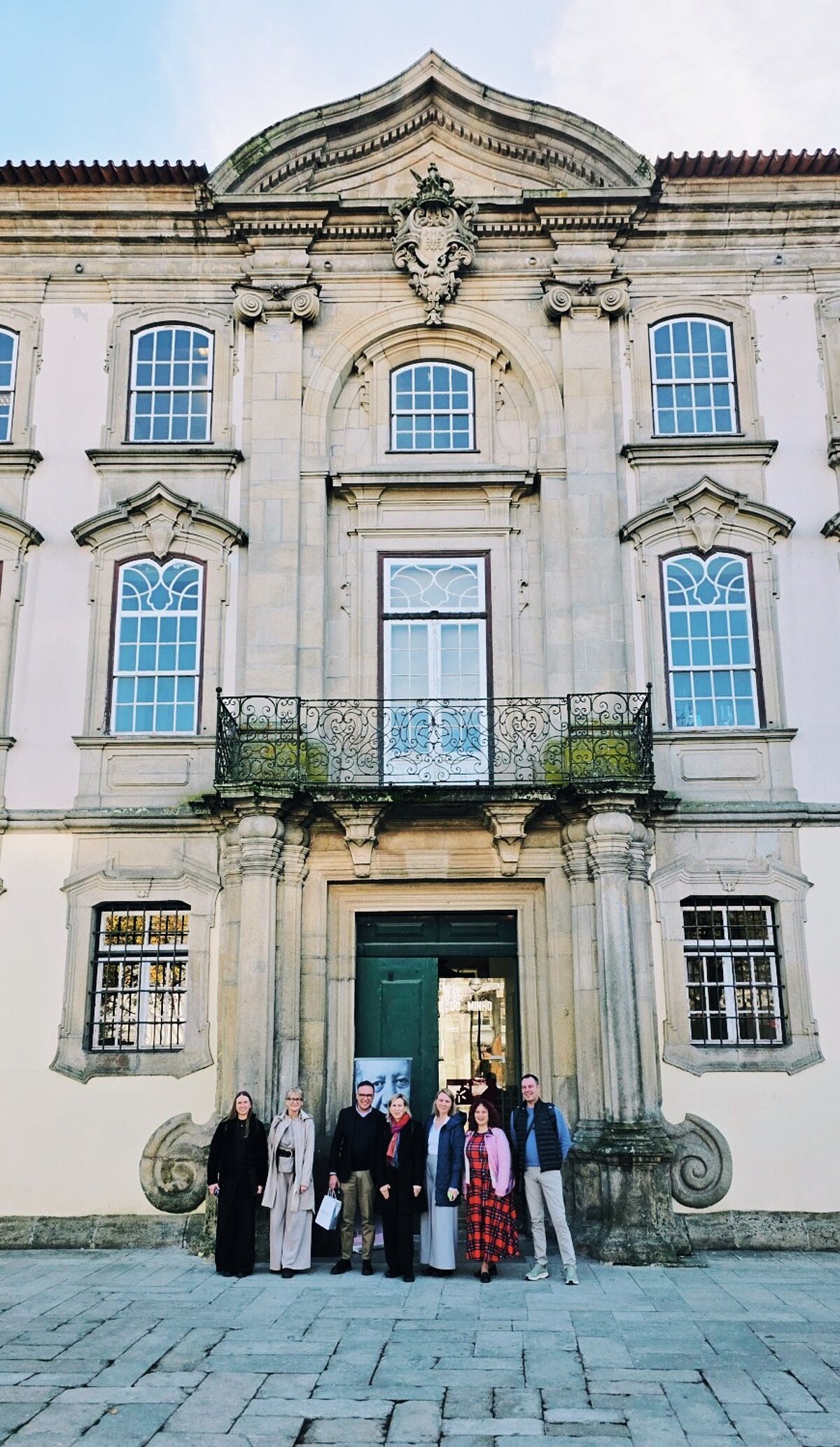
At Minho University, the UL delegation was welcomed by the Director of the Music Department, Vítor Hugo Ferreira de Matos, ERASMUS project coordinator, musicologist and pianist Ângelo Martingo, and António Luís Ribeiro, artistic director of the Minho University Orchestra and saxophonist. During the meeting, UL representatives gained an in-depth understanding of the activities of the Music Department, university student groups, their creative activities and the institution's development strategy.
At the heart of cultural life at the University of Minho is the Cultural Council, a collegial body that advises the rector on cultural policy issues, coordinates the work of the university's cultural units, and ensures the accessibility of culture in the region. The Council oversees museums, a library, a study center, an archaeology unit, and other structures, confirming the university's "extension mission" or openness to the public.
Discussions with university representatives highlighted several areas of cooperation, particularly in projects involving the UL wind orchestra.
UL representatives also attended ARTECH 2025, an international conference on digital and interactive art. The conference provided an insight into trends related to the use of artificial intelligence in choreography and contemporary dance, changes in design influenced by technology, and the research potential of the interaction between traditional and digital art.
Among the most widely discussed exhibits was an installation that experimented with "an image of Jesus created by artificial intelligence." It sparked lively discussions about the ethical limits of technology, the possibilities of artificial intelligence in culture, and its impact on the social and academic environment.
University of Porto: culture as part of well-being and education
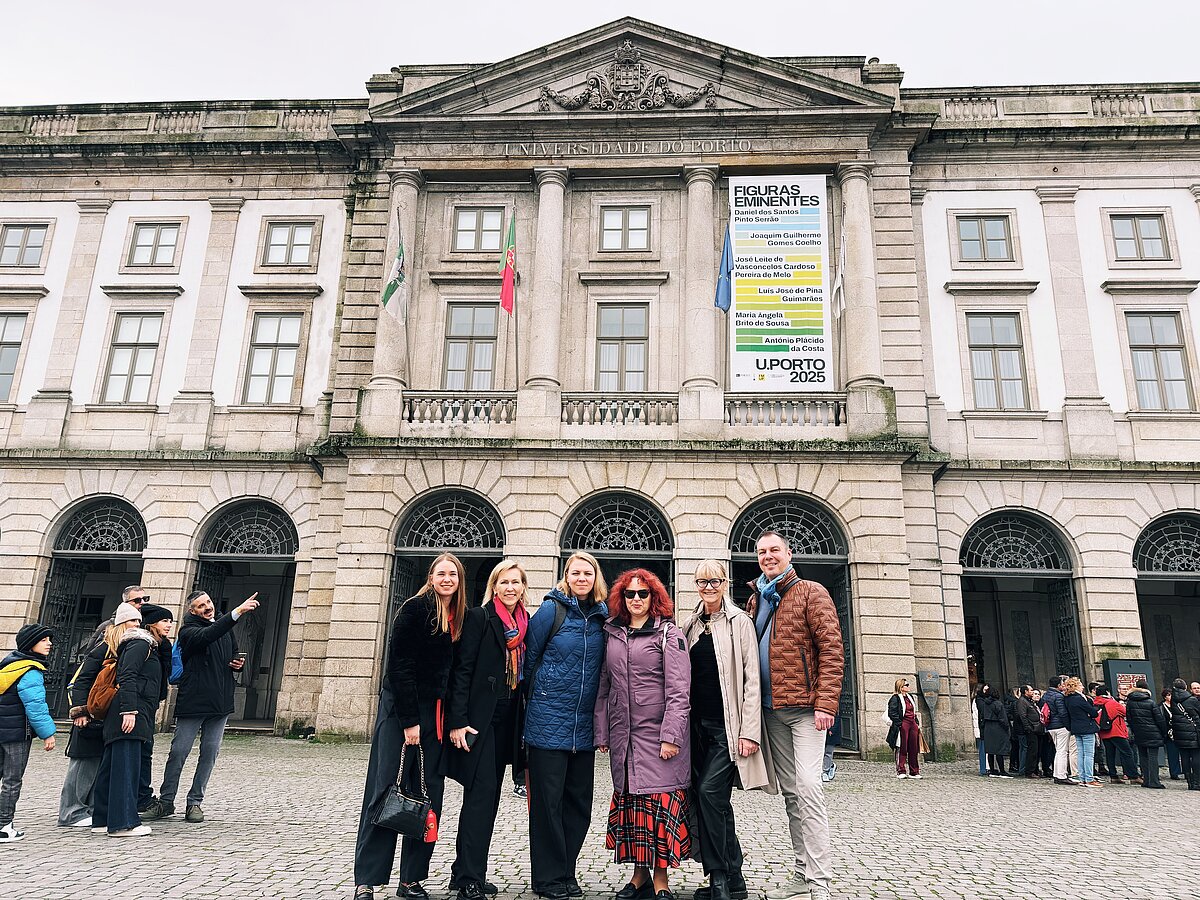
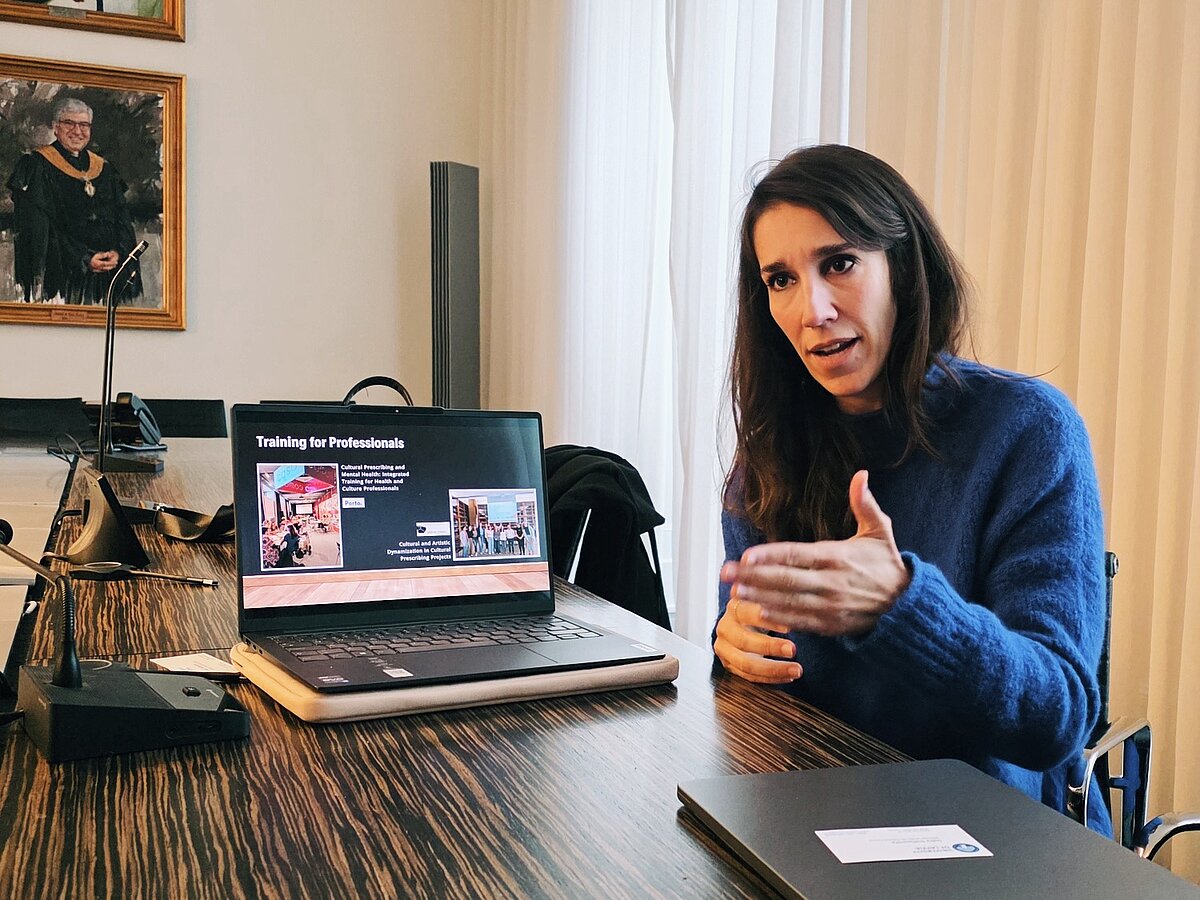
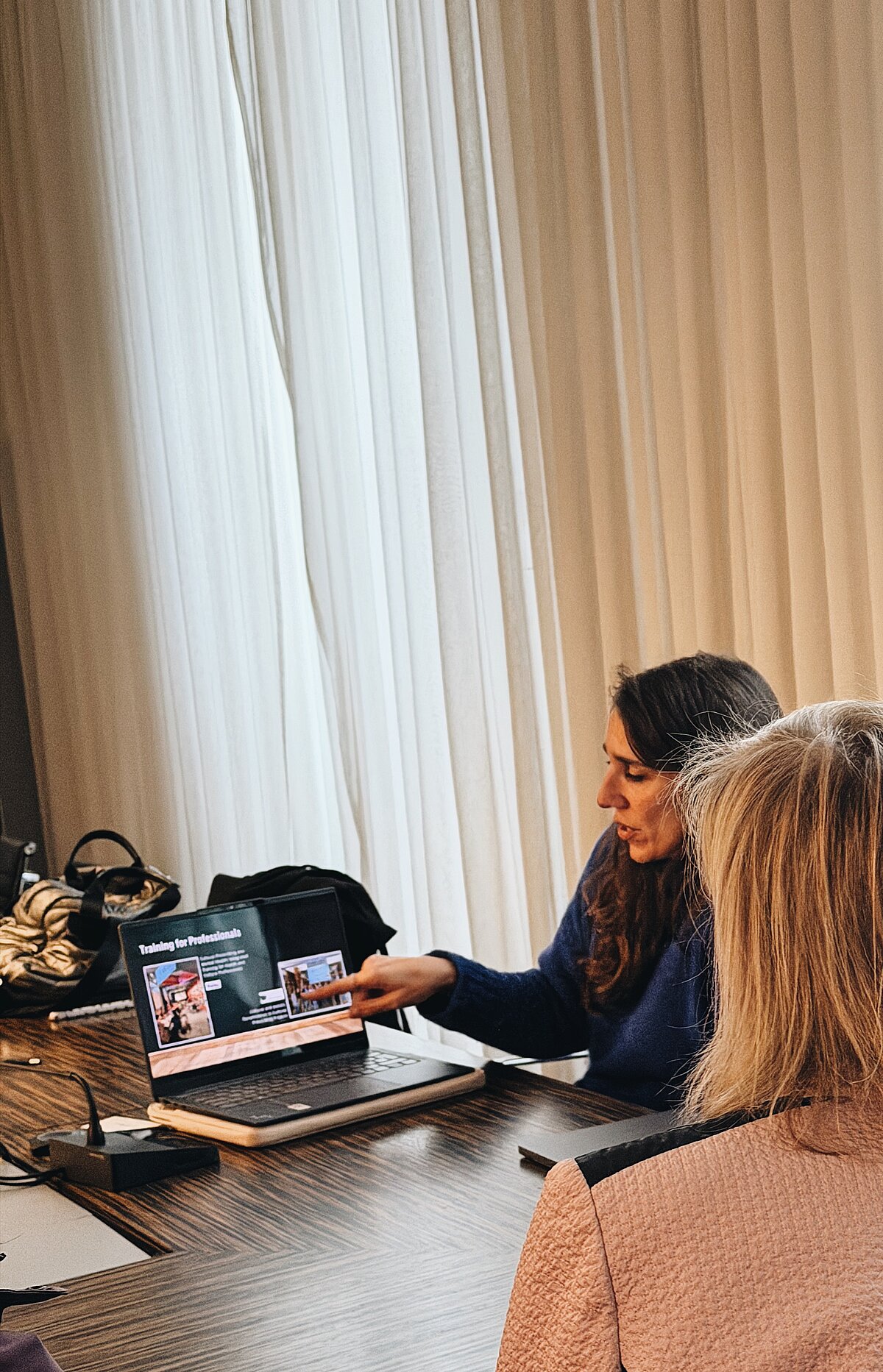
At the University of Porto, the UL delegation was welcomed by Joana Cadima, a lecturer and researcher at the Faculty of Psychology and Educational Sciences at the University of Porto, and Joana Manarte, a researcher in educational sciences and Doctor of Educational Sciences at the Centre for Educational Research and Intervention (CIIE) at the University of Porto.
The initiative was created and is being strategically developed by Fátima Vieira, Vice-Rector for Culture at the University of Porto, who sees culture as an interdisciplinary tool for strengthening the well-being of students and society.
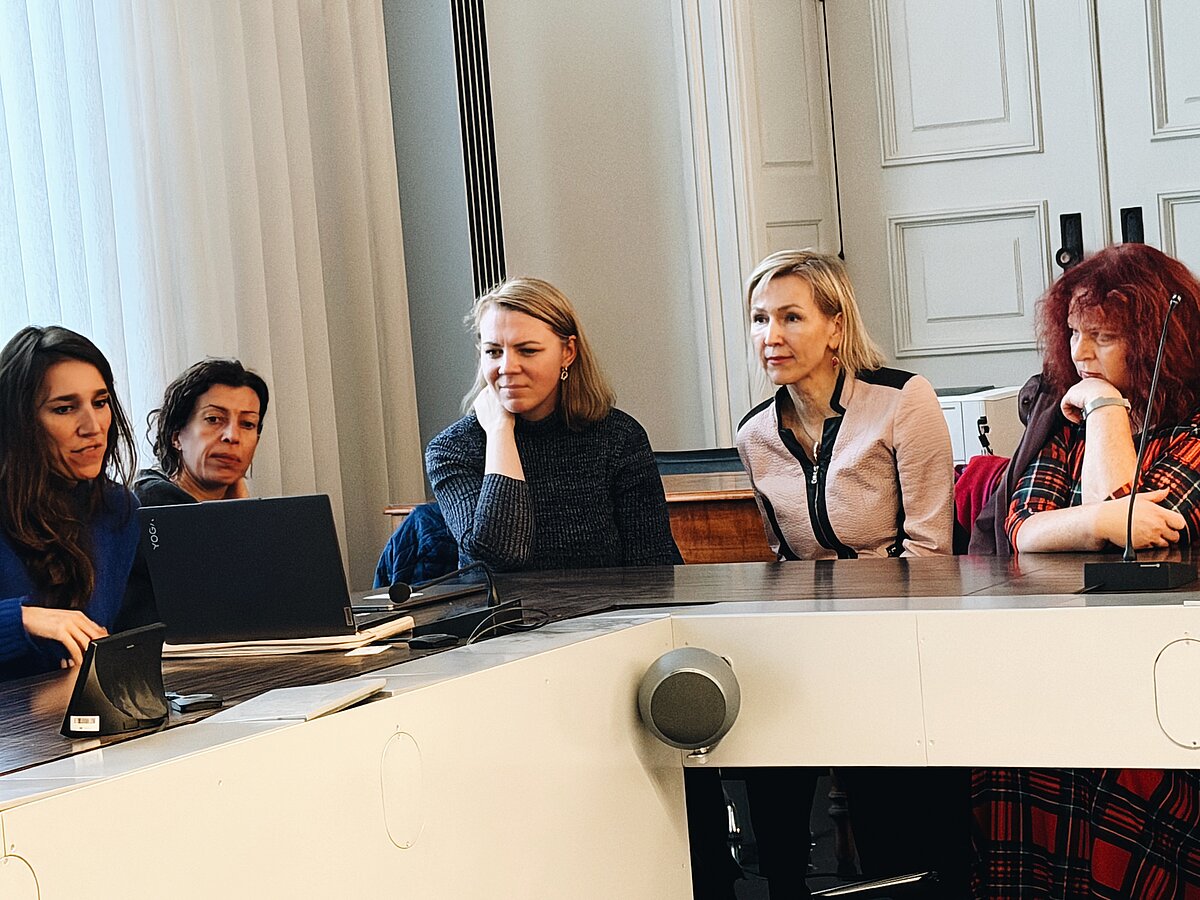
During the visit, the UL team was introduced to the project's concept, its social impact, the model of cooperation between art, healthcare and cultural institutions, as well as its practical results. As part of this project, the university offers a wide range of studies and creative activities – courses in "Philosophy of Art," "Art and Medicine," "Architecture and Health," as well as traveling workshops in music, theater, dance, literature, cinema, and museum mediation. Training programs for culture and health professionals are also being implemented, demonstrating the role of art in improving well-being.
Presentation of the University of Latvia and areas of cooperation
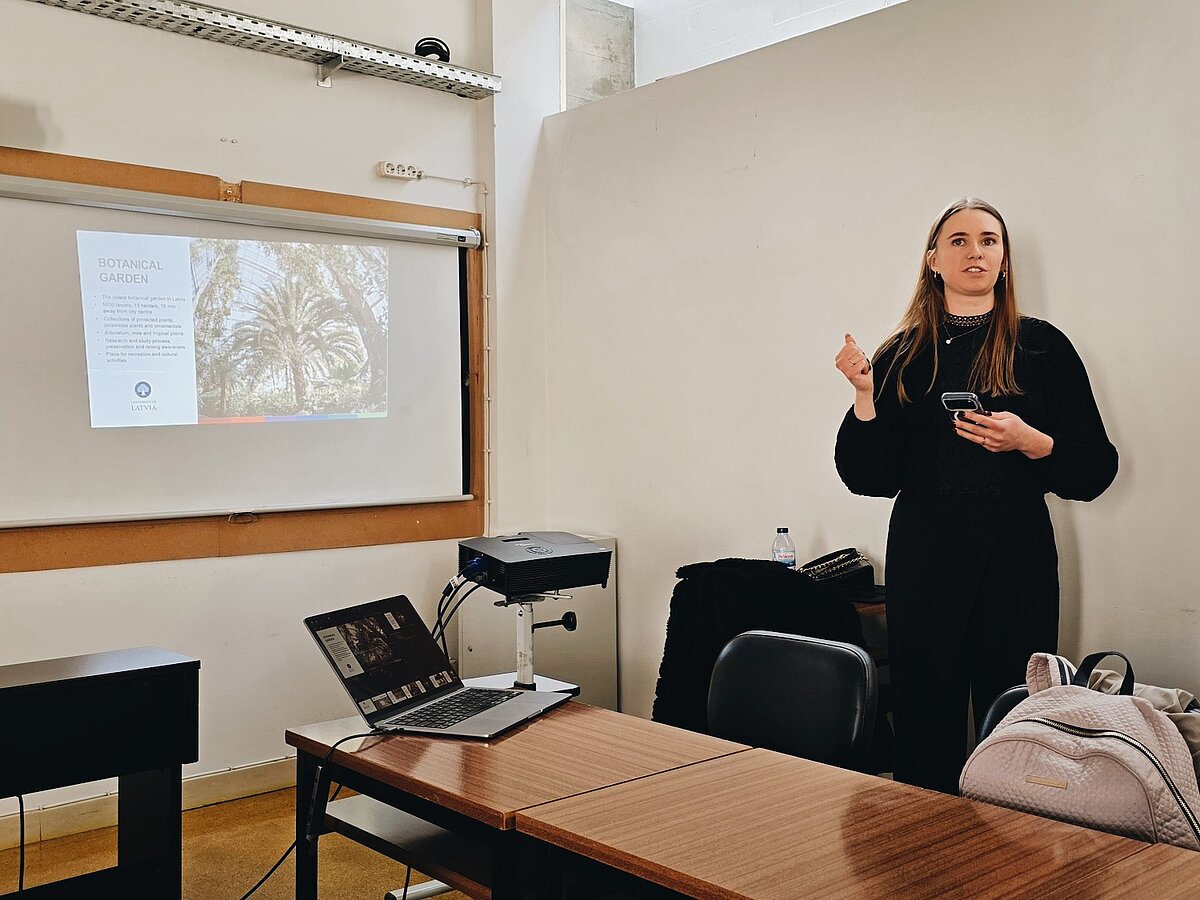
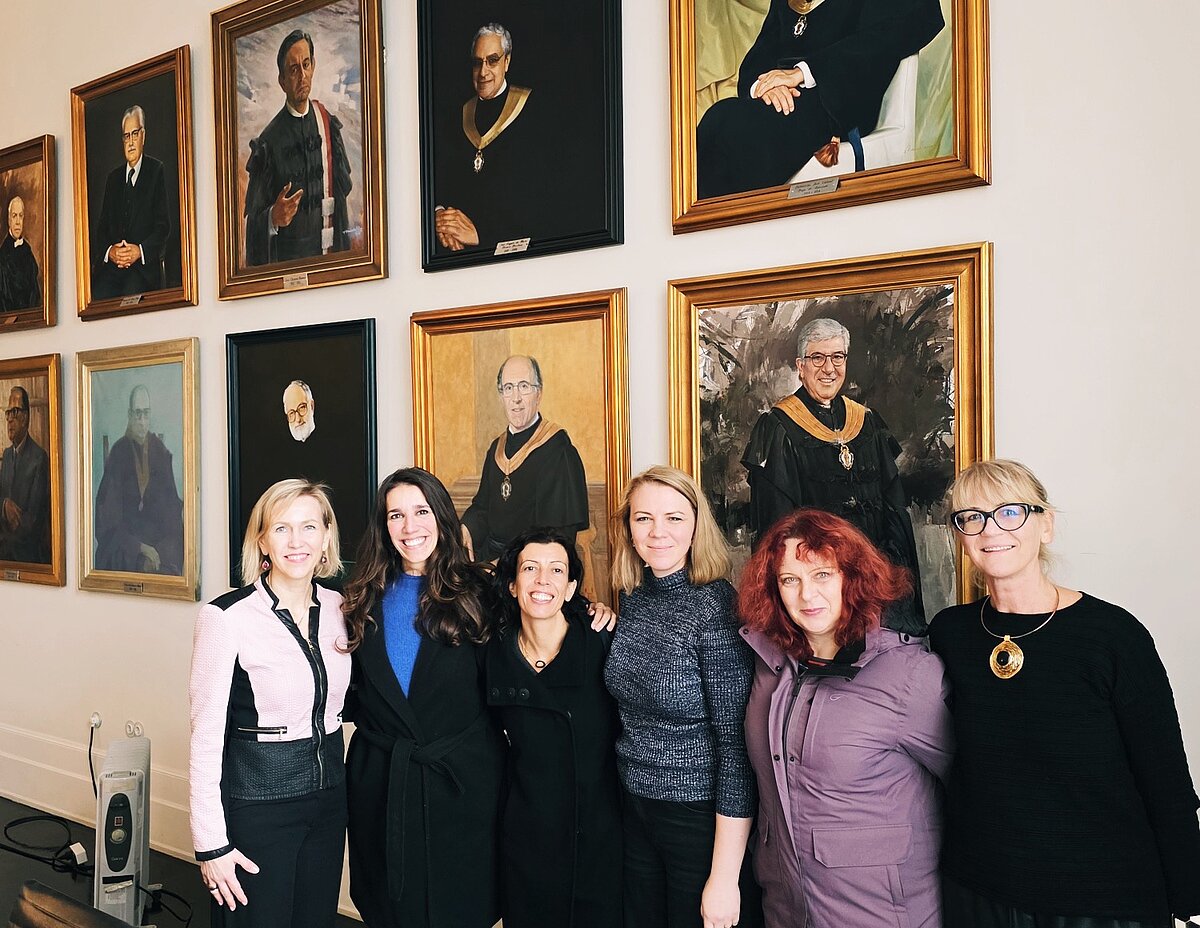
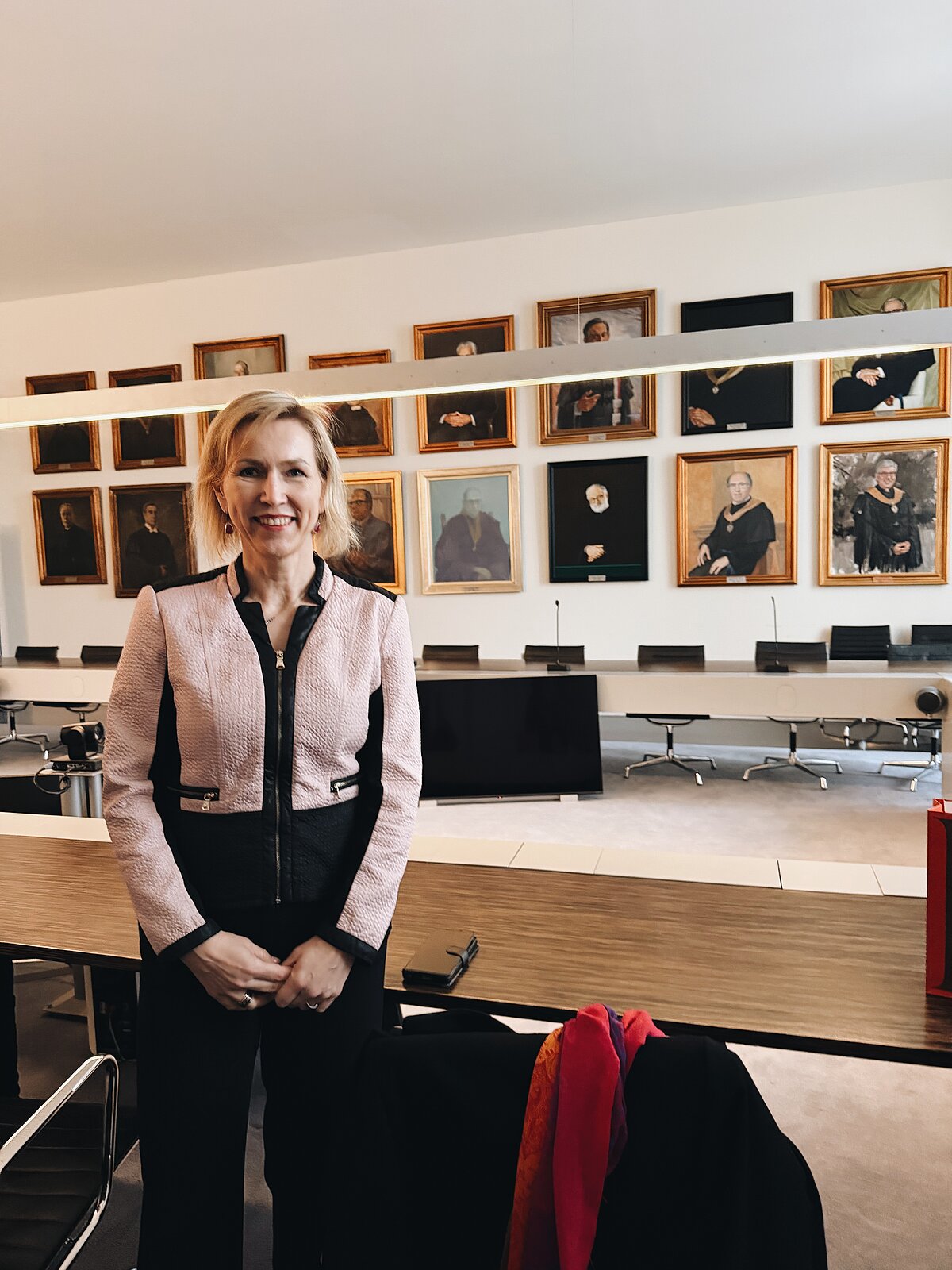
Representatives of the University of Latvia Culture Centre presented their activities, international vision and development priorities at both Minho and Porto universities. The involvement of the University of Latvia Innovation and Acceleration Center was also significant, providing an overview of development projects and the strengthening of the innovation ecosystem.
The trip provided University of Latvia representatives with new knowledge, contacts, and a strategic perspective for the development of the culture field. The experience of Portuguese universities, where culture and science are developed as mutually complementary pillars of social development, confirms the possibility of creating an environment where students, researchers, artists, and industry professionals collaborate, creating added value for both - the university and society.
, together with representatives from the Innovation and Acceleration Center, went on a business trip to Portugal, visiting the University of Minho in Braga and the University of Porto. These meetings and exchanges of experience were an important step towards new international partnerships, interdisciplinary projects, and innovations in the fields of culture and education.)